VIETNAM ROTARY-CUT VENEER
Wood veneer for the way you manufacture.
Explore Acacia, Rubberwood and Eucalyptus veneer for plywood and engineered wood manufacturing. Compare A/B/C surface selections, check typical production parameters and request an export quotation directly from DLVT.
REFERENCE PRODUCT PARAMETERS
Veneer dimensions & technical specifications
Typical production parameters for initial buyer discussions. Final tolerances and moisture targets must be agreed in writing for each order.
Important: These are indicative factory parameters, not guaranteed values for every shipment. Actual dimensions, acceptable tolerances, moisture content, grading criteria and quantity are confirmed in the agreed specification / sales contract.
01 / ACACIA
Acacia Veneer
Acacia rotary-cut veneer from Vietnam is a versatile raw material for plywood manufacturing and engineered wood panels. Plantation-grown Acacia is recognized for its natural cream-to-warm-brown coloration and distinctive grain, which vary with the log and peeling process. DLVT presents Acacia veneer in commercial Grade A, B and C selections, allowing buyers to match surface appearance and permissible defects to their intended production needs. Dimensions, moisture target and grading acceptance criteria are confirmed for each order.
Plantation hardwoodPlywood & panel materialVisual grade selection
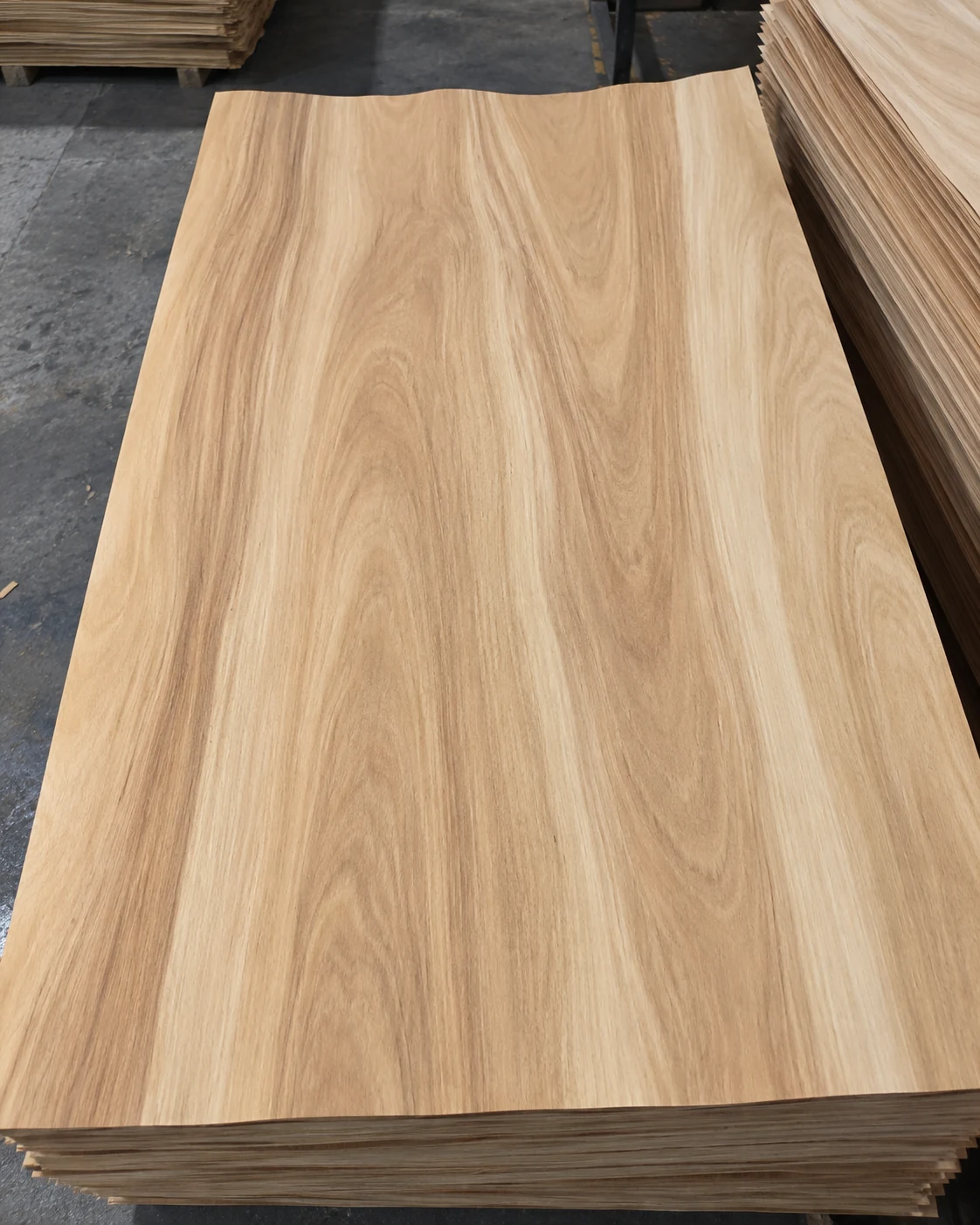
Grade A
QUALITY VIEWCleaner, more uniform appearance with fewer visible natural defects. Reference only; acceptance depends on the agreed specification.
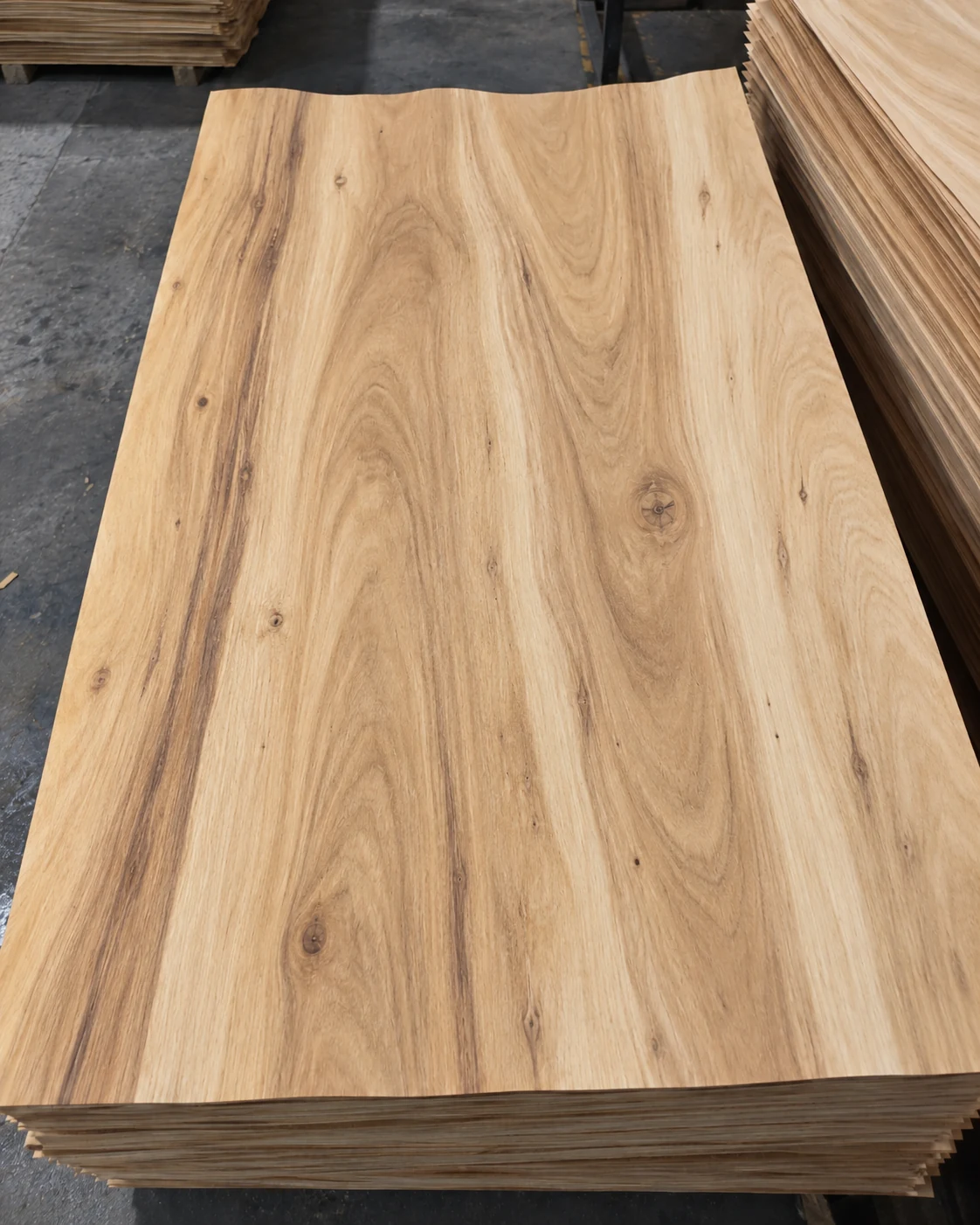
Grade B
QUALITY VIEWVisible natural grain changes, limited knots or streaks may occur. Actual tolerances must be agreed with the buyer.
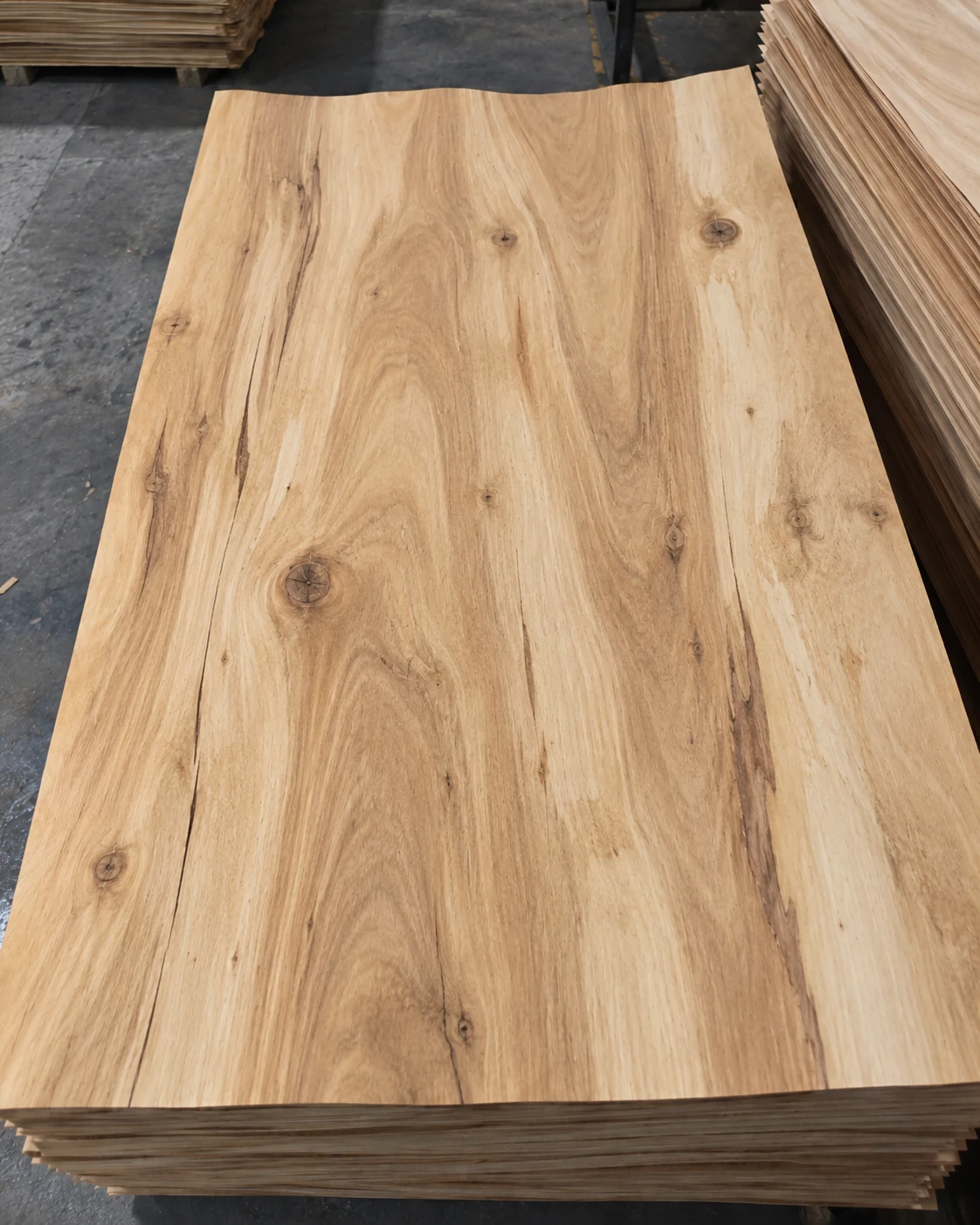
Grade C
QUALITY VIEWMore pronounced natural imperfections may be present. Hole, split and tear allowances are not implied and require confirmation.
02 / RUBBERWOOD
Rubberwood Veneer
Rubberwood veneer is rotary-peeled from the timber of rubber trees (Hevea brasiliensis), a plantation hardwood also used after its latex-producing stage. Its naturally light cream-to-pale-brown tone and generally straight grain make it a practical material for plywood cores, selected face layers and other interior panel applications. DLVT offers Rubberwood veneer with Grade A, B and C appearance options so buyers can balance visual requirements and material cost. Final grade, moisture and permitted defects are agreed against order specifications.
Light natural tonePlywood face & coreOrder-specific grading
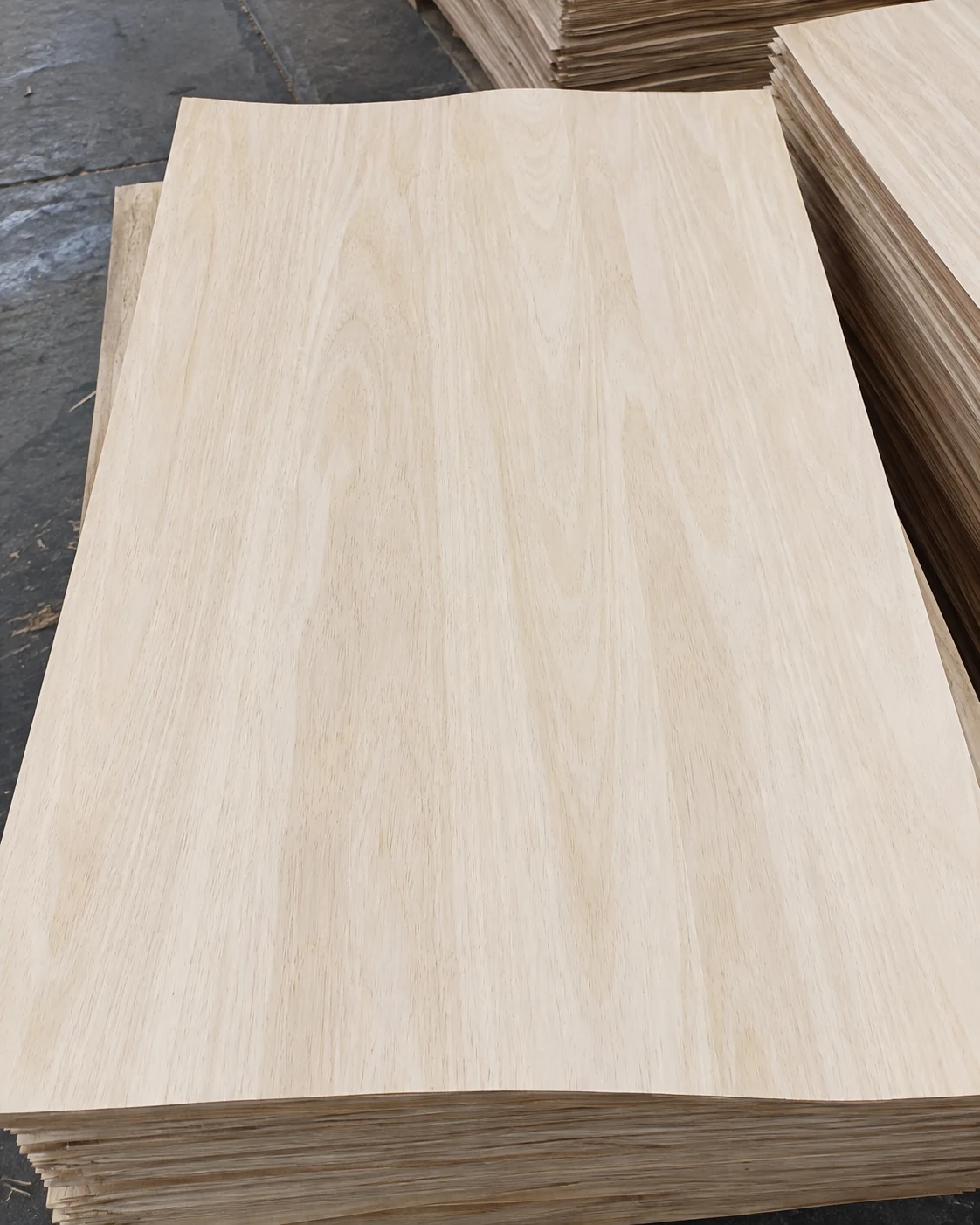
Grade A
QUALITY VIEWCleaner, more uniform appearance with fewer visible natural defects. Reference only; acceptance depends on the agreed specification.
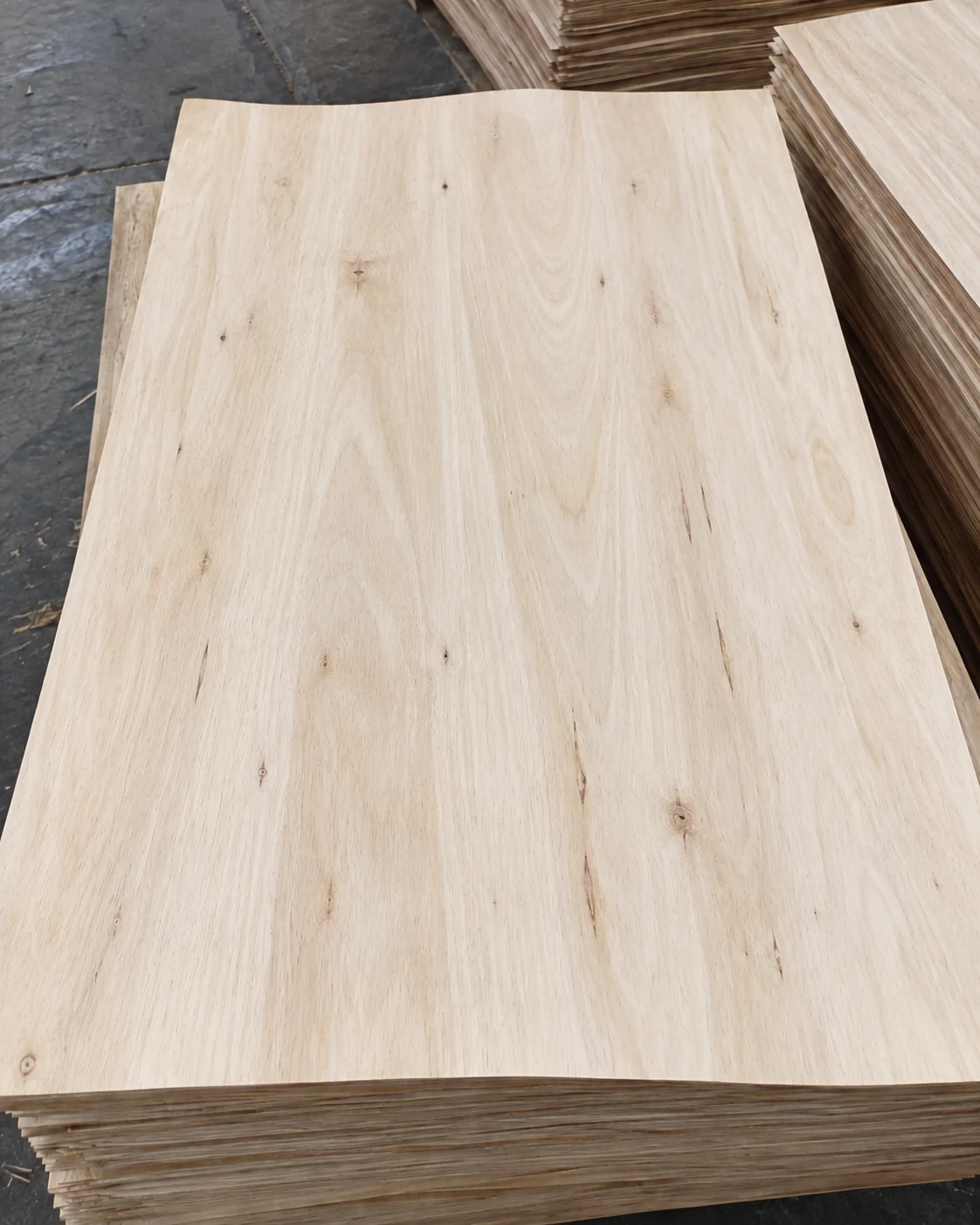
Grade B
QUALITY VIEWVisible natural grain changes, limited knots or streaks may occur. Actual tolerances must be agreed with the buyer.
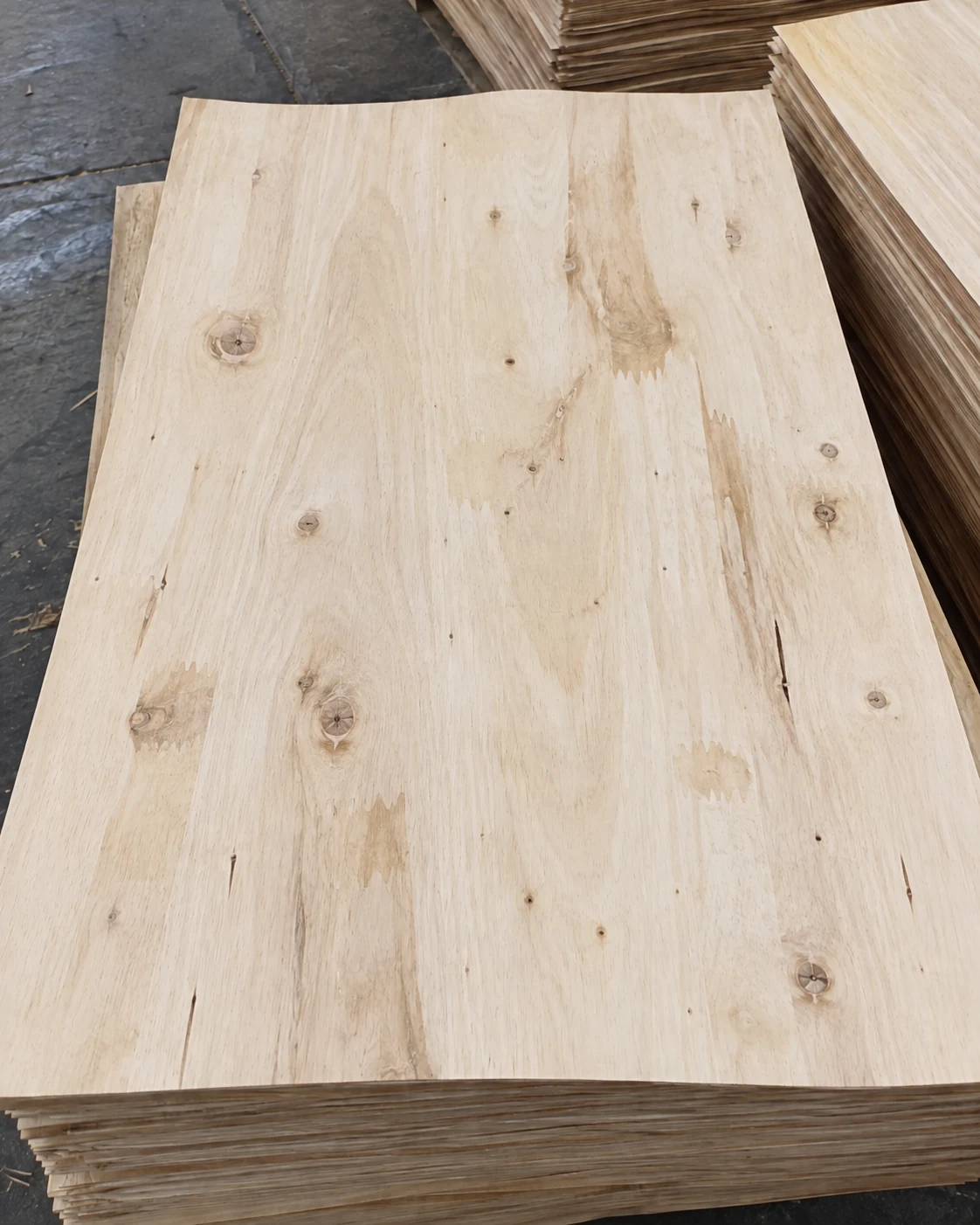
Grade C
QUALITY VIEWMore pronounced natural imperfections may be present. Hole, split and tear allowances are not implied and require confirmation.
03 / EUCALYPTUS
Eucalyptus Veneer
Eucalyptus rotary-cut veneer is an option for plywood and other engineered wood products where material consistency and the intended panel performance matter. Plantation Eucalyptus species can produce veneer with pronounced natural grain and useful stiffness characteristics; actual properties differ by species, age, log quality and processing. DLVT presents Eucalyptus veneer in Grade A, B and C appearance selections, with quality requirements tailored to the buyer’s application. Please confirm thickness, moisture target, allowable knots and splits, and the intended use before finalizing an order.
Natural grain patternPlywood applicationsGrade by end use
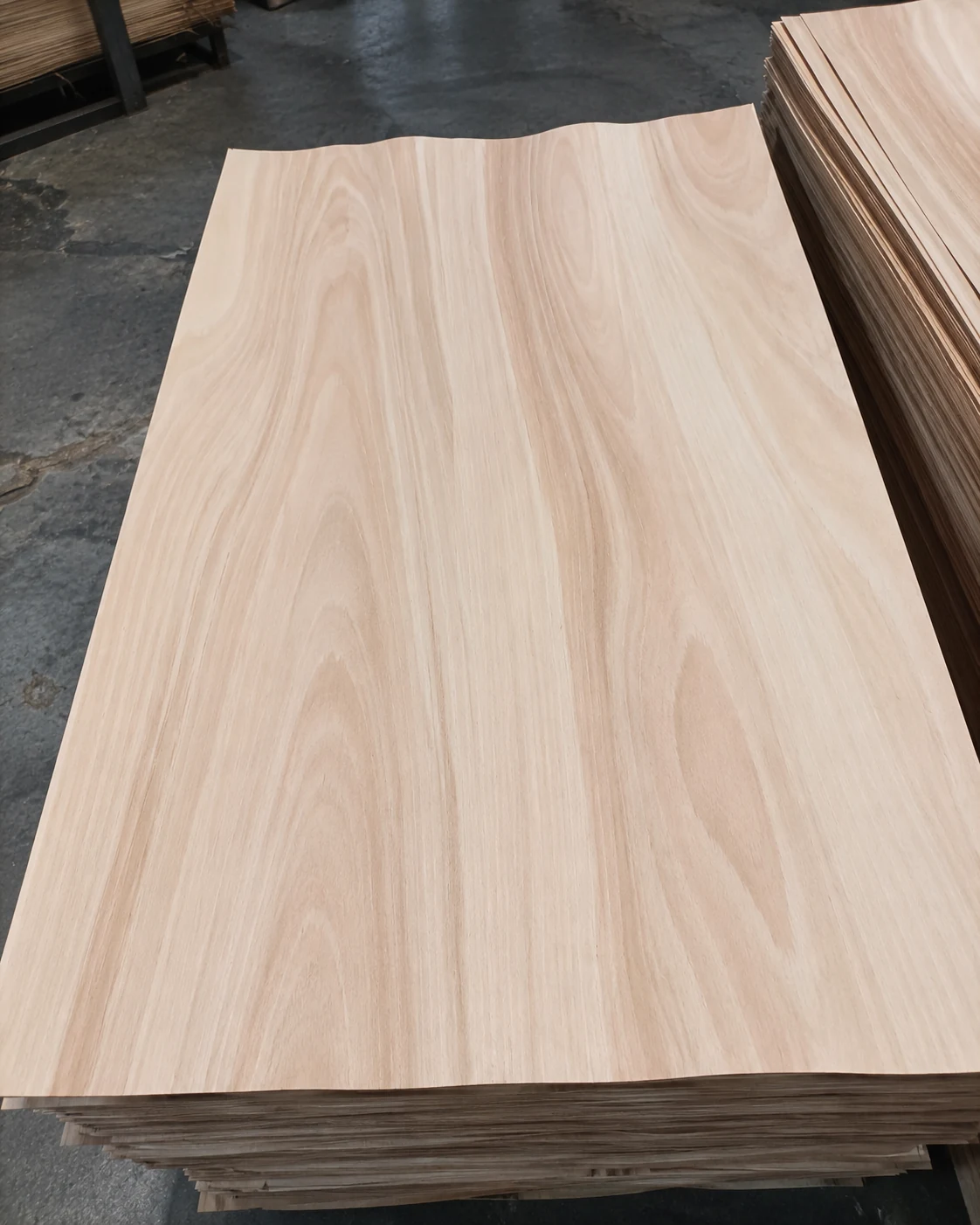
Grade A
QUALITY VIEWCleaner, more uniform appearance with fewer visible natural defects. Reference only; acceptance depends on the agreed specification.
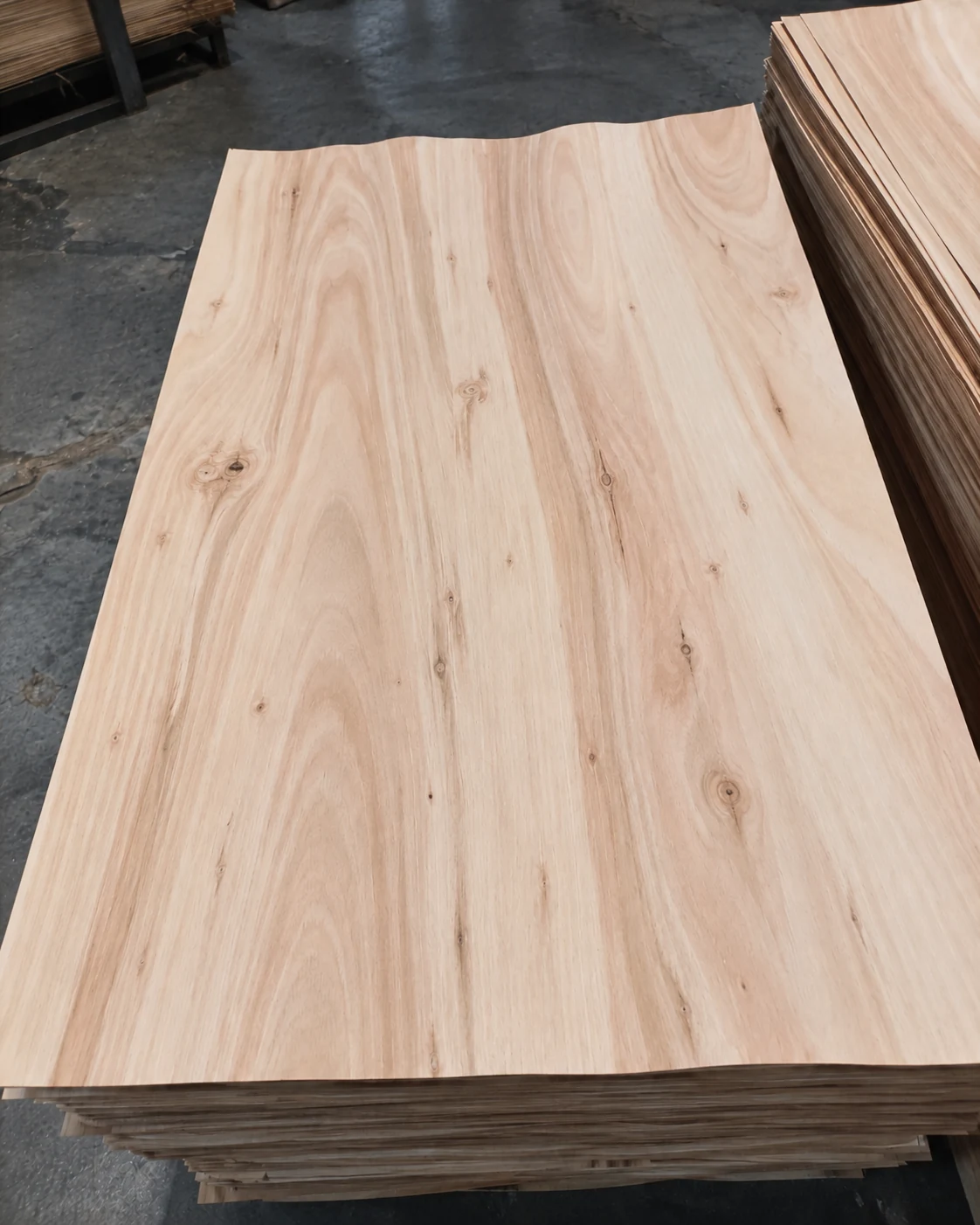
Grade B
QUALITY VIEWVisible natural grain changes, limited knots or streaks may occur. Actual tolerances must be agreed with the buyer.
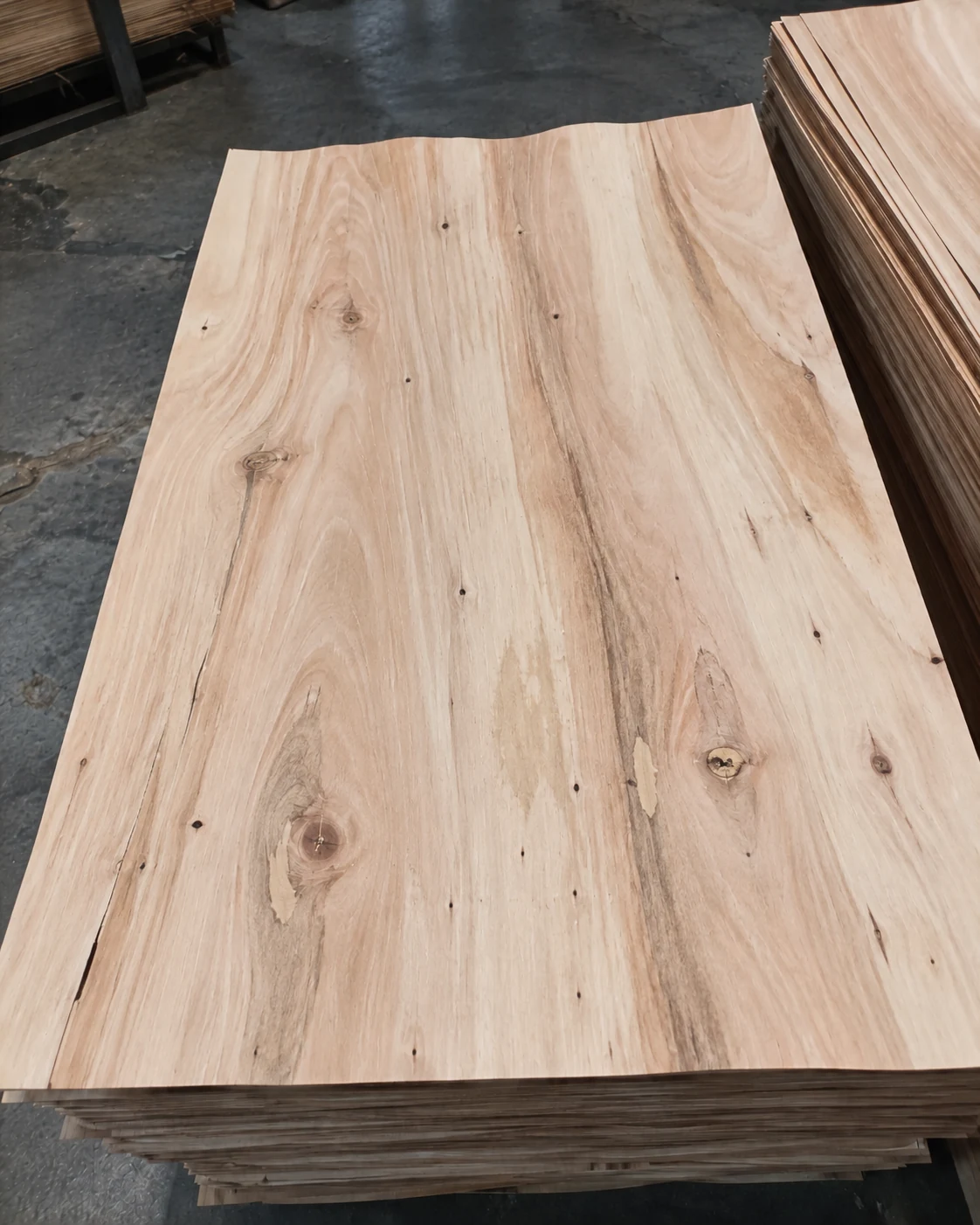
Grade C
QUALITY VIEWMore pronounced natural imperfections may be present. Hole, split and tear allowances are not implied and require confirmation.
Product visuals are intended as visual references for the listed veneer types and appearance levels. Final quality, appearance, defects and acceptance criteria should be confirmed against approved physical samples and the purchase specification.
UNDERSTANDING QUALITY
What about holes, splits and cracks?
A/B/C labels vary by mill, buyer, market and intended use. A defect is not automatically Grade C. Always confirm a written defect allowance and compare actual samples before agreeing a shipment.
Knotholes — Open knot holes
An opening where a knot is missing. Determine permissible count, size and location before grading.
Splits / Cracks — Cracked veneer
Measure length, width and placement of splits; severe tearing may be rejected depending on use.
Utility / Core / Reject — Only if available
Lower-appearance material may serve suitable core applications, but extensive holes or damage may be rejected. Availability is not currently confirmed.
INDUSTRY REFERENCES
Wood species and veneer applications are described using published industry references. Commercial A/B/C descriptions are a buying guide, not a universal grading standard; final acceptance is based on agreed samples and written tolerances.
EXPORT INQUIRIES
Tell us your specifications. We'll discuss the right veneer option.
Share species, dimensions, thickness, moisture, defect limits, quantity and destination port via WhatsApp.